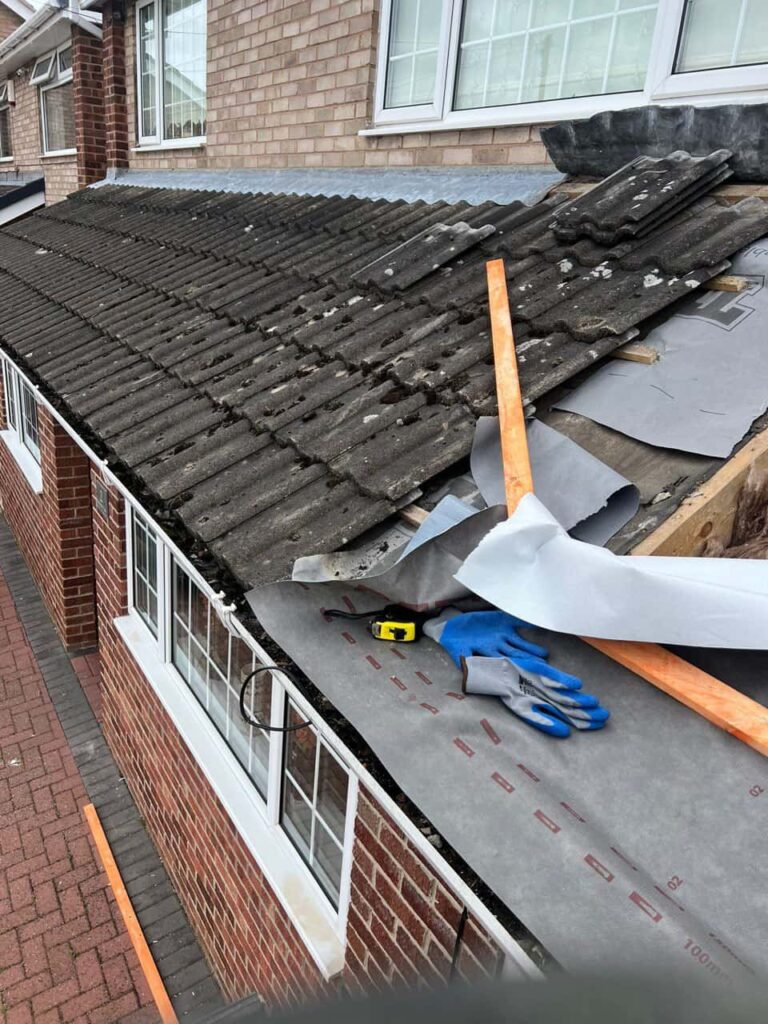
Strong winds can put considerable pressure on a roof, particularly if tiles are already loose, damaged or approaching the end of their useful life. If you notice a fallen tile after a period of windy weather, it is worth taking the problem seriously, even if there are no immediate signs of a leak.
For homeowners in Fulbourn, Cambridgeshire, understanding why roof tiles become dislodged and knowing when to arrange repairs can help protect the property from further damage. A missing tile may be a localised issue, but it can also reveal weaknesses that need professional attention.
Why Can Strong Winds Dislodge Roof Tiles?
Roof tiles are installed to overlap and work together, creating a protective covering that directs rainwater away from the structure. However, wind can lift or shift tiles when their fixings have deteriorated, the tiles have become damaged or the roof has existing weaknesses.
The risk can be greater around exposed roof edges, ridges and hips, where wind forces may affect the roofing materials differently. If one tile becomes loose, neighbouring tiles may also be vulnerable, depending on the condition and design of the roof.
Strong winds do not always cause the original problem. They can expose an existing weakness that may have developed gradually over time.
Are Fallen Roof Tiles a Serious Problem?
A fallen tile should not be ignored because it can leave an area of the roof exposed to rain. The layers beneath the tiles may provide some protection, but they are not necessarily designed to remain exposed to the elements indefinitely.
Water entering through the damaged area can affect the roof structure, insulation and internal ceilings. Even when a leak is not immediately visible, repeated exposure to rain may cause deterioration beneath the surface.
A missing tile can also indicate that nearby tiles have shifted or that the roof requires a closer inspection.
What Signs of Roof Damage Should You Look For?
After strong winds, there are several warning signs worth checking from ground level. These include:
- Missing, cracked or displaced roof tiles
- Ridge tiles that appear loose or uneven
- Roofing materials visible on the ground
- New damp patches or stains on ceilings
- Water marks or dampness in the loft, where it is safe to check
- Pieces of roofing material around the property
Not all roof damage is easy to see from below. If you suspect a problem, avoid climbing onto the roof or using a ladder to investigate. A professional roofer can inspect areas that are difficult or unsafe to reach.
Could One Missing Tile Lead to Further Damage?
Yes, a single missing tile can create an entry point for rainwater, particularly during further periods of wet or windy weather. The severity depends on its position, the condition of the surrounding tiles and the protective layers beneath the roof covering.
Water can also travel along roofing materials before appearing inside the property. This means a ceiling stain may develop some distance from the original defect.
Prompt attention can help prevent a small area of damage from affecting other parts of the roof. It also provides an opportunity to check whether nearby tiles have become loose and need attention.
What Should You Do After Discovering Fallen Tiles?
If you notice fallen tiles after strong winds, take the following steps:
- Keep clear of the area directly beneath damaged roofing, as additional materials may fall.
- Check the roof visually from the ground without attempting to access it.
- Look for signs of water ingress inside the property, provided it is safe to do so.
- Arrange a professional roof inspection to establish the extent of the damage.
- If water is entering the property, take sensible steps to protect belongings where safe, and seek prompt assistance.
If water is near electrical fittings or a ceiling appears swollen or unstable, keep clear and seek appropriate urgent assistance.
Why Professional Roof Repairs Matter
Replacing a fallen tile is not always the only work required. A roofer should establish why the tile became dislodged and check whether surrounding tiles, ridge components or fixings have also been affected.
A professional assessment can help identify the underlying cause and determine whether the repair can be limited to the damaged area. Where wider deterioration is found, addressing it at the same time can help reduce the risk of recurring problems.
For properties in Fulbourn, Cambridgeshire, timely roof repairs can help restore the roof’s protective covering and prepare it for future weather conditions.
How Can You Reduce the Risk of Future Wind Damage?
Although severe weather cannot be prevented, keeping the roof in good condition can help reduce the likelihood of tiles becoming dislodged. Periodic inspections can identify cracked tiles, loose ridge components and deteriorating fixings before they become more serious concerns.
It is also worth paying attention to recurring problems. If tiles repeatedly move or fall after windy weather, the underlying cause should be investigated rather than treating each incident as an isolated event.
Conclusion
Roof tiles falling after strong winds should always be taken seriously. A missing or displaced tile can expose the roof to water ingress, while surrounding materials may also have been weakened or loosened.
For homeowners in Fulbourn, Cambridgeshire, arranging a professional inspection after discovering fallen tiles can help identify the extent of the damage and prevent further problems.
If strong winds have damaged your roof or you have noticed missing or loose tiles, contact Fulbourn Roofing Repairs to arrange an assessment and discuss the most suitable repair for your property.
Call us on: 01223 659 397
Click here to find out more about Fulbourn Roofing Repairs
Click here to complete our contact form and see how we can help with your roofing needs.