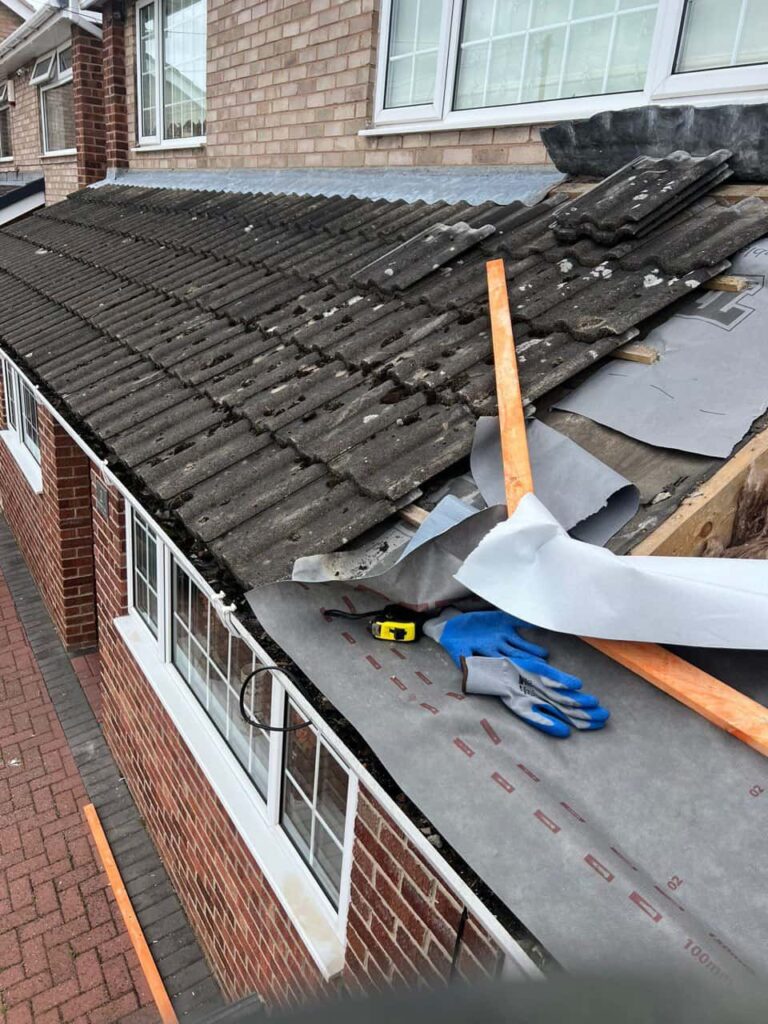
Heavy rainfall is a common challenge for roofs throughout the UK. While a properly maintained roof is designed to withstand wet weather, prolonged or intense rain can expose weaknesses that may otherwise go unnoticed. Small defects that seem insignificant during dry periods often become much more apparent when a roof is subjected to persistent rainfall.
For homeowners in Fulbourn, Cambridgeshire, understanding how heavy rain affects roofing systems can help prevent costly damage and ensure problems are addressed before they worsen. At Fulbourn Roofing Repairs, we help property owners identify and resolve rain-related roofing issues to keep their homes protected throughout the year.
Why Heavy Rain Puts Roofs Under Pressure
A roof’s primary purpose is to channel water safely away from the property. When heavy rainfall occurs, every part of the roofing system is tested, from tiles and flashing to gutters and drainage components.
Areas Most Affected Include
- Roof coverings
- Flashing
- Ridge tiles
- Gutters and downpipes
- Roof valleys
Even minor defects can become significant problems when large volumes of water are involved.
Roof Leaks Become More Noticeable
One of the most common issues caused by heavy rain is water ingress.
How Leaks Develop
- Cracked or missing tiles allow water to enter
- Damaged flashing creates vulnerable points
- Worn roofing materials lose effectiveness
- Existing defects worsen under prolonged exposure
What begins as a small leak can eventually affect ceilings, walls, and loft spaces if left unresolved.
Water Damage to Loft Spaces
Heavy rainfall often reveals weaknesses within the roof structure.
Potential Problems Include
- Damp insulation
- Moisture accumulation
- Timber deterioration
- Reduced ventilation efficiency
Because loft spaces are directly beneath the roof, they are often the first internal area affected.
Blocked Gutters Can Cause Overflow
Gutters play a crucial role in managing rainwater.
When Gutters Become Blocked
- Water overflows onto roof edges
- Moisture affects fascia and soffit boards
- Water may run down external walls
- Additional pressure is placed on drainage systems
Regular gutter maintenance helps reduce these risks significantly.
Flashing Defects Allow Water Penetration
Flashing protects vulnerable areas where the roof meets walls, chimneys, and other roof features.
Common Rain-Related Issues
- Cracked flashing
- Loose sections
- Deteriorated seals
- Water penetration around roof junctions
Heavy rain often exposes flashing defects that may not be obvious during dry weather.
Mortar and Ridge Tile Problems
The ridge line is exposed to constant weather conditions.
Heavy Rain Can Highlight
- Cracked mortar joints
- Loose ridge tiles
- Water penetration beneath ridge systems
- Accelerated deterioration of ageing materials
Professional inspections can identify these issues before major damage occurs.
Increased Moisture Around Roof Valleys
Roof valleys are designed to channel large amounts of water away efficiently.
Potential Problems Include
- Blockages
- Material deterioration
- Water pooling
- Overflow during heavy rainfall
Because valleys handle significant water flow, defects in these areas can quickly lead to leaks.
Hidden Roofing Defects Become Apparent
Heavy rain often acts as a test for the entire roofing system.
Problems Commonly Revealed
- Ageing roof coverings
- Poor previous repairs
- Damaged underlay
- Small gaps around roofing features
These hidden weaknesses frequently become noticeable during periods of sustained rainfall.
Structural Components May Be Affected
If water ingress continues over time, moisture can begin affecting structural elements.
Areas at Risk Include
- Roof timbers
- Battens
- Internal supports
- Loft structures
Addressing leaks early helps prevent more extensive structural concerns from developing.
The Importance of Prompt Repairs
Rain-related roofing issues rarely improve on their own.
Benefits of Early Action
- Prevents further water ingress
- Protects internal areas of the property
- Preserves roofing materials
- Reduces the risk of widespread damage
- Extends roof lifespan
Quick intervention often prevents small issues from becoming major repairs.
Why Professional Roof Inspections Matter
Not all rain-related roofing defects are visible from ground level. Professional inspections provide a detailed assessment of the roof’s condition and help identify vulnerable areas before they cause serious problems.
At Fulbourn Roofing Repairs, we provide expert roof inspections and repair services throughout Fulbourn, Cambridgeshire. Our experienced team helps homeowners keep their roofs in excellent condition and ready to withstand the challenges of heavy rainfall.
Conclusion
Heavy rain places significant pressure on every part of a roofing system. Leaks, flashing defects, blocked gutters, damaged valleys, and ageing roofing materials can all lead to problems when exposed to prolonged wet weather. What starts as a minor issue can quickly develop into more extensive damage if left untreated.
For homeowners in Fulbourn, Cambridgeshire, regular roof maintenance and prompt repairs are essential for protecting the property from rain-related damage. If you have noticed signs of a roofing problem following heavy rainfall, Fulbourn Roofing Repairs can provide professional advice and reliable repair solutions to keep your home safe and dry.
Call us on: 01223 659 397
Click here to find out more about Fulbourn Roofing Repairs
Click here to complete our contact form and see how we can help with your roofing needs.